Global Oil Market Threatened by Shipping Crisis in Strait of Hormuz
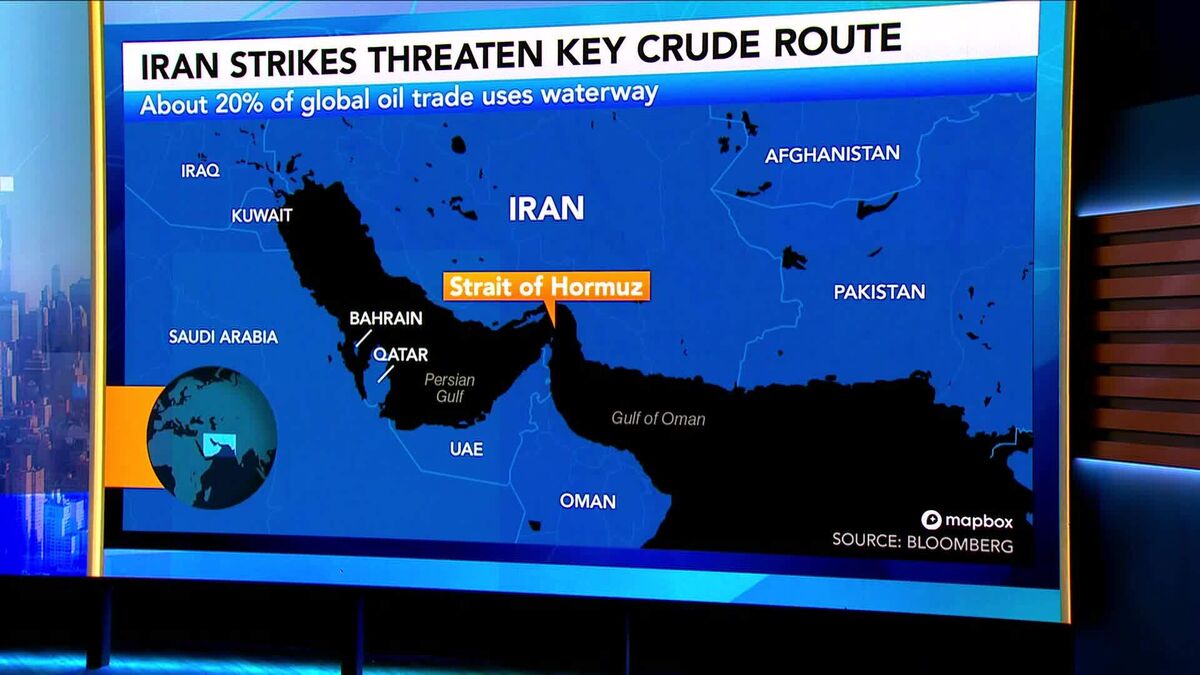
The global oil market is currently facing a significant challenge due to a shipping crisis in the Strait of Hormuz, according to Paul Sankey, president of Sankey Research. This critical maritime passage is essential for the movement of oil tankers, and any disruption could have far-reaching impacts on the global oil supply chain.
Sankey emphasizes the urgency of the situation, noting that a resolution needs to be reached by Friday to ensure the continued flow of oil through this vital corridor. The Strait of Hormuz is one of the world's most strategic chokepoints for oil transportation, with a substantial percentage of the world's oil passing through it daily. Any impediment to shipping in this area could lead to significant delays and increased costs, affecting global oil prices and supply stability.
The current crisis underscores the vulnerability of the global oil market to geopolitical tensions and logistical challenges. The Strait of Hormuz has historically been a flashpoint for regional conflicts, and its strategic importance makes it a focal point for international attention. As such, ensuring the security and free passage of oil tankers through this region is of paramount importance to maintain global energy stability.
While Sankey did not elaborate on the specific causes of the current shipping crisis, the situation highlights the need for robust contingency plans and international cooperation to address potential disruptions in key maritime routes. The global oil industry, governments, and international bodies must work together to find a sustainable solution to this pressing issue.
In the absence of a resolution, the potential consequences could be severe, with ripple effects felt across the global economy. Rising oil prices could lead to increased costs for consumers and businesses, potentially slowing economic growth and exacerbating inflationary pressures.
The situation in the Strait of Hormuz serves as a reminder of the interconnectedness of global markets and the importance of maintaining secure and efficient transportation routes for critical resources like oil. As the deadline approaches, stakeholders are closely monitoring developments and exploring options to mitigate the impact of any disruptions.