Venezuela's Path to Stability Lies in Renewable Energy, Not Oil
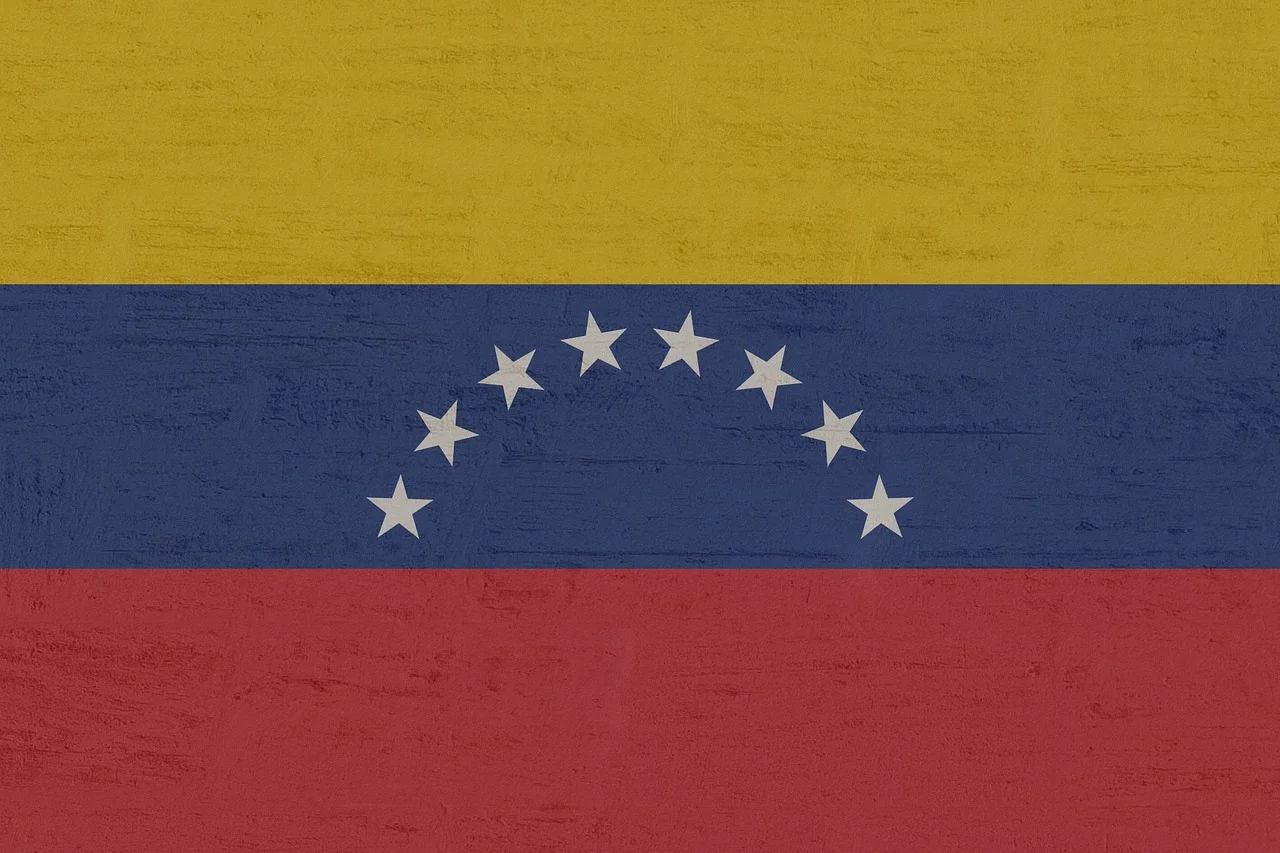 Pixabay / Kaufdex
Venezuela, a nation historically reliant on its oil reserves, is at a pivotal moment in its history. The country has faced decades of economic instability and political turmoil, largely driven by its dependence on oil. Former oil minister Juan Pablo Pérez Alfonzo famously warned of the perils of oil reliance, describing it as "the devil’s excrement." His prediction has been borne out over the years, as Venezuela's economy has suffered from the boom-and-bust cycles typical of oil-dependent nations.
In recent years, the situation has worsened under the leadership of Nicolás Maduro, with poverty levels soaring and millions of Venezuelans fleeing the country. The U.S. recently intervened by removing Maduro and taking control of the country's oil revenues, further complicating the situation. Amidst this chaos, there is a growing consensus that Venezuela needs to shift away from its oil dependency to achieve long-term stability and prosperity.
Venezuela possesses significant potential for renewable energy development, particularly in hydropower, wind, and solar energy. The Guri Dam, one of the largest in Latin America, has historically been a major source of electricity for the country. However, mismanagement and lack of diversification have left the dam and the country's energy infrastructure in disrepair. Currently, Venezuela is operating at only 30% of its hydropower capacity, leading to frequent blackouts and increased reliance on fossil fuels.
Wind energy presents another opportunity for Venezuela, with regions like Zulia and Falcón offering ideal conditions for wind power generation. Despite this potential, projects have stalled due to corruption and mismanagement, leaving infrastructure unused and funds unaccounted for. Similarly, solar energy remains largely untapped, despite the country receiving high levels of solar radiation.
Transitioning to renewable energy would require significant investment and a shift in political vision. It would involve not only rehabilitating existing infrastructure but also ensuring that renewable energy is used to power a diversified domestic economy rather than simply freeing up more oil for export. This transition must be guided by democratically elected leaders, yet no timeline for elections has been established.
Globally, the shift away from fossil fuels is gaining momentum, driven by both environmental concerns and economic factors. Renewable energy projects are increasingly cost-effective compared to fossil fuels, and major oil buyers like China are rapidly adopting cleaner energy sources. For Venezuela, continuing to rely on oil could leave the country vulnerable to declining demand and the impacts of climate change, such as coastal loss and extreme weather events.
Ultimately, Venezuela's future hinges on a dual transition: political and energy. While the country needs a political transition to ensure democratic governance, an energy transition is equally crucial for achieving economic stability and environmental sustainability. By investing in renewable energy, Venezuela can break free from the destructive cycles of the past and build a more resilient and prosperous future.