India and Canada Forge New Path with Historic Nuclear Partnership
 Credit: Depositphotos
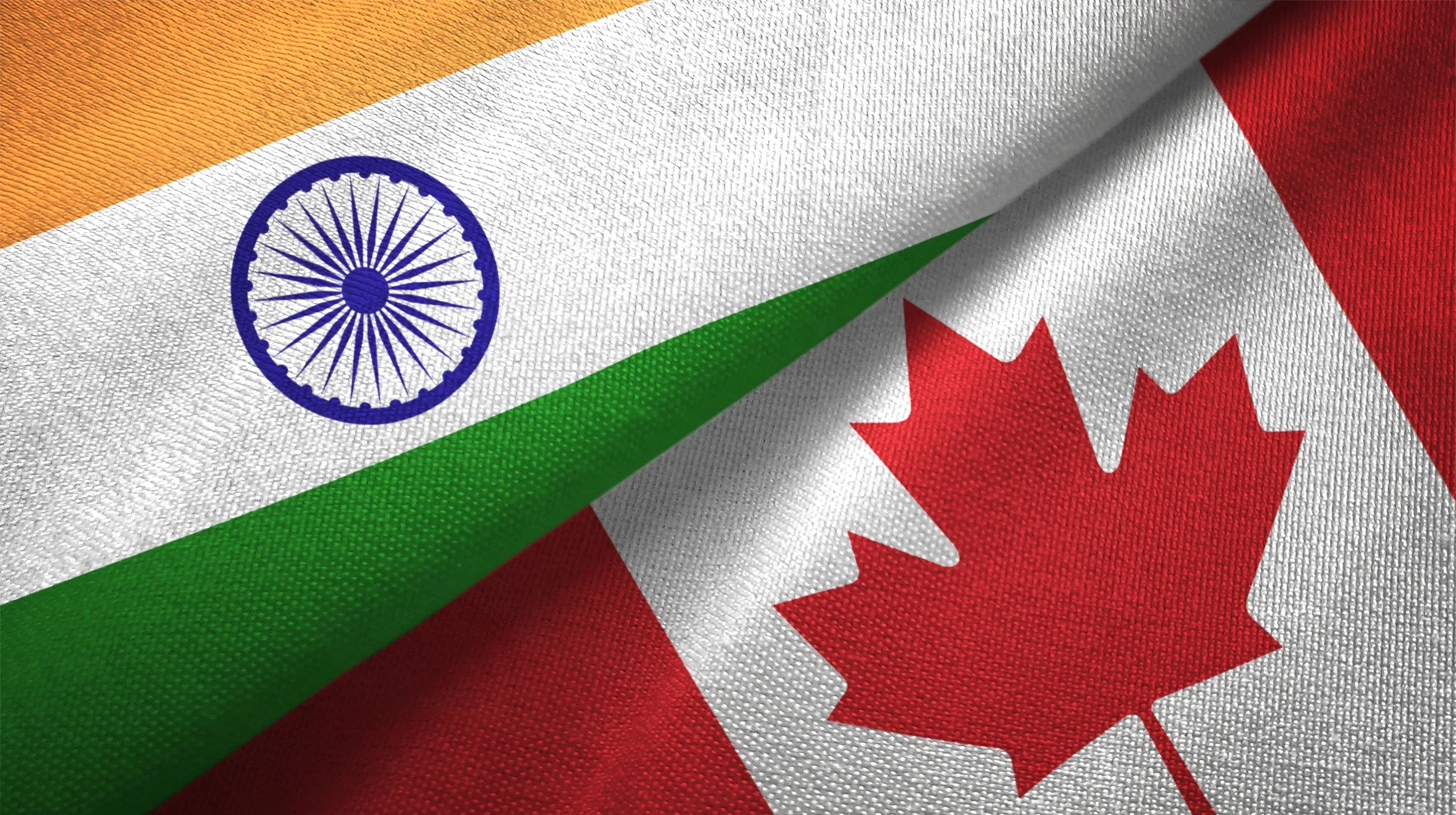
India and Canada have announced a series of agreements, including a significant 10-year nuclear energy deal, following a meeting between their prime ministers in Delhi aimed at mending diplomatic relations. The discussions between Indian Prime Minister Narendra Modi and Canadian Prime Minister Mark Carney also covered areas such as technology, critical minerals, space, defense, and education. Carney stated that both countries aim to finalize a free trade agreement by the end of 2026, a move intended to mitigate the impact of U.S. trade tariffs.
The bilateral relationship had deteriorated after Carney's predecessor accused India of involvement in the 2023 assassination of Sikh separatist Hardeep Singh Nijjar on Canadian soil, a claim India strongly denied. This led to a diplomatic standoff, including the expulsion of diplomats and suspension of visa services. However, since Carney assumed office, efforts have been made to cautiously rebuild ties, with his administration expressing confidence that India is not currently linked to violent activities or threats within Canada.
Despite this, some Canadian officials and members of the Sikh diaspora continue to express concerns over India's alleged activities. Canada's spy agency has identified India as one of the countries involved in espionage and foreign interference, alongside Russia, China, and Iran. Canadian Foreign Minister Anita Anand has distanced herself from comments suggesting India had ceased all foreign interference, emphasizing the importance of diplomatic engagement to make progress.
During the talks in Delhi, Modi and Carney highlighted the longstanding relationship and mutual interests between the two nations. Modi announced a landmark agreement for long-term uranium supply and collaboration on small modular and advanced reactors. He also emphasized cooperation in technology sectors like AI, supercomputing, and semiconductors, and the joint hosting of a renewable energy summit. Carney noted Canada's potential to meet India's nuclear fuel needs and announced a strategic energy partnership.
On trade, Modi set a target of $50 billion in bilateral trade, with plans to finalize a comprehensive economic partnership soon. Carney expressed a desire to conclude the "ambitious agreement" by the end of the year, marking a significant achievement after 15 years of intermittent discussions. Analysts view Carney's approach as pragmatic, reflecting current geopolitical shifts and India's interest in diversifying trade partnerships and reducing reliance on Russian energy.
Public opinion in Canada appears to support re-engagement with India, with a recent Angus Reid poll indicating that half of Canadians believe it is the "right time" to restore ties. The poll also suggests that more Canadians have a favorable view of India compared to the U.S., amid ongoing trade tensions with the latter. Carney's visit to India included meetings with business leaders and ministers in Mumbai to boost trade and investment, and he plans to continue his diplomatic tour in Australia and Japan.